In Murrysville, "Well and Septic" Usually Means Just "Well"
September 10, 2026
September 10, 2026
Scroll through current Murrysville listings and the same two words show up again and again, paired like they always travel together: well and septic. Read them as one package and you'll misjudge what your lender is actually going to ask you to prove. In most of Murrysville, the septic half of that phrase is already gone. The house sits on public sewer. The well is the only private system still running, and it's the one piece of infrastructure that decides how smoothly your financing closes, not the one everyone assumes to worry about.
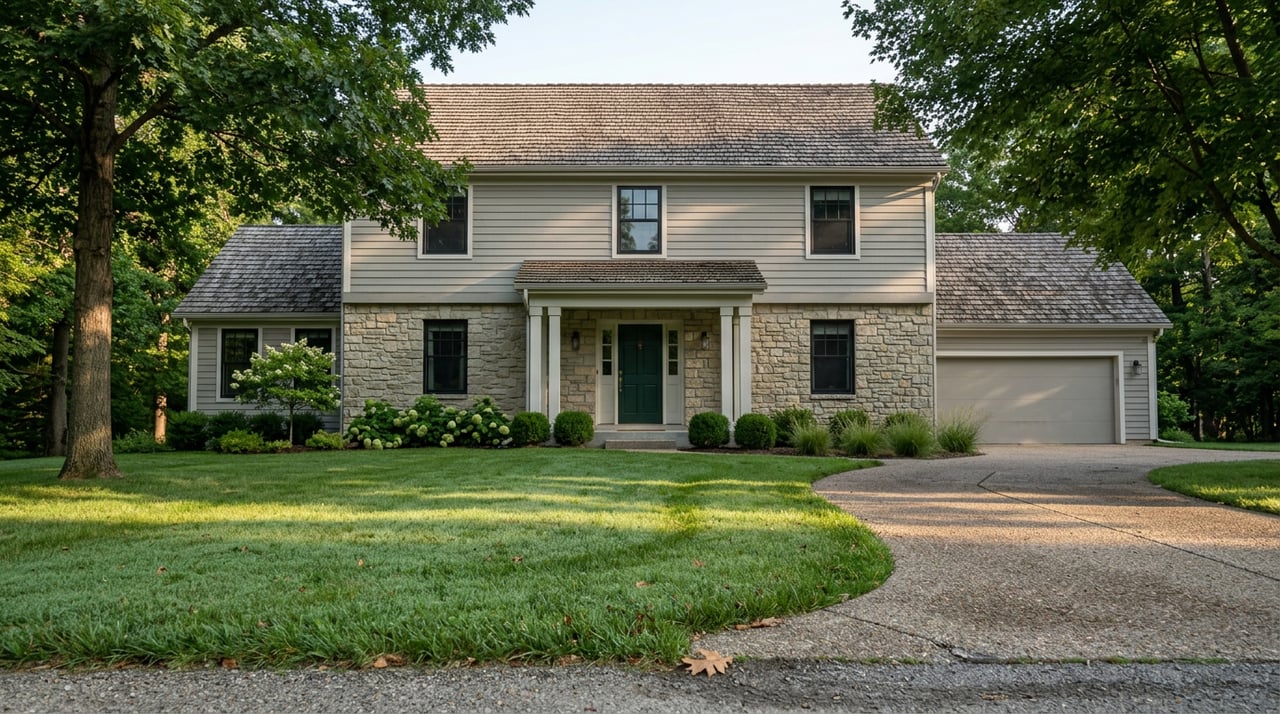
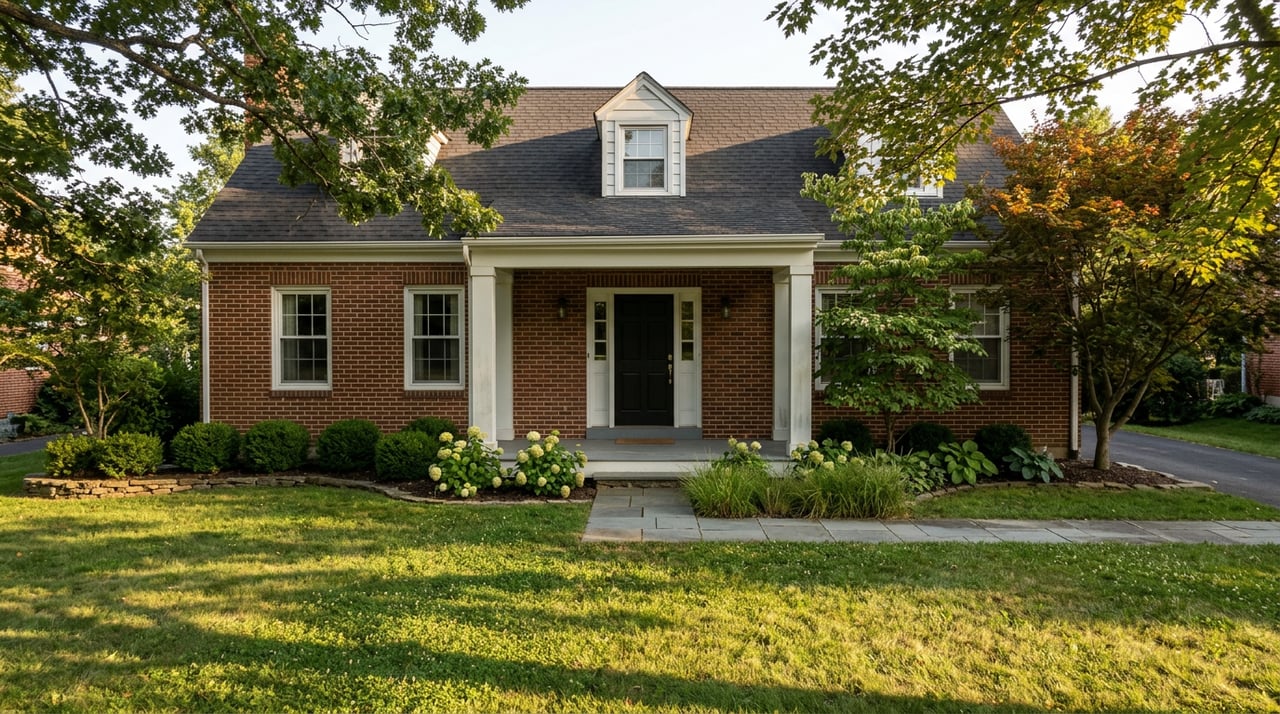
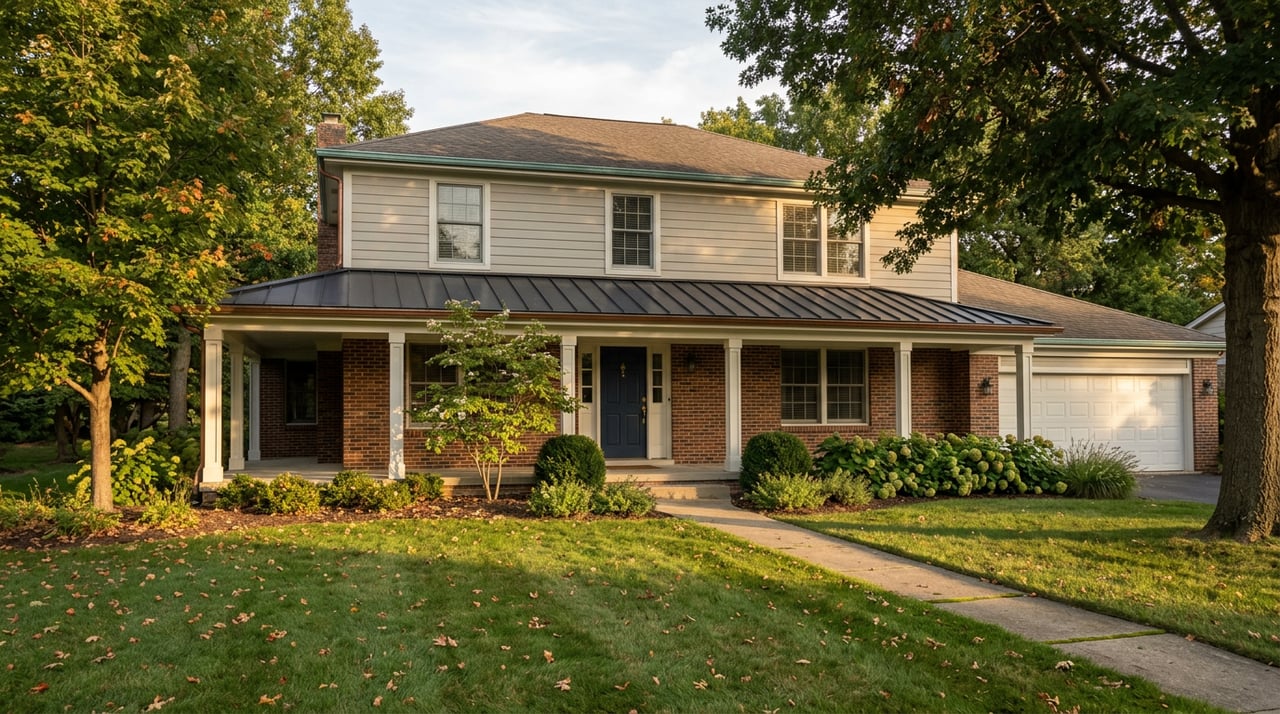
That distinction matters whether you're a first-time buyer eyeing a cape cod on a half-acre in the Franklin Regional School District or a move-up family looking at five wooded acres off Route 286. The word "septic" on a listing sheet used to mean rural, self-contained, buyer beware. In Murrysville today it more often means nothing at all, because the septic system was decommissioned decades ago when the sewer line reached the street. The well stayed because water and sewer got built out on two completely different timelines.
Pull a handful of active Murrysville listings and the pattern repeats: a cedar home tucked on more than five private acres near Routes 286 and 22, a seven-acre cottage with a recently replaced well pump, horse properties with newly installed well pressure systems, even a commercial building near the Route 22 corridor that runs on well and septic together. All of them get filed under the same shorthand.
What that shorthand hides is that in Murrysville, the sewer side of the pair is close to a formality. The septic tank on most of these properties either never existed in the modern sense or was retired when the municipal system arrived. What's left is a private well supplying water to a house that's already tied into public sewer. That's a meaningfully different property than one running two fully private systems, and it changes what an underwriter is going to look at.
The reason so much of Murrysville sits on public sewer despite the well/septic phrasing traces back to a single municipal authority most buyers never hear mentioned by name. The Franklin Township Municipal Sanitary Authority was incorporated on December 27, 1966, more than a decade before Franklin Township became the Municipality of Murrysville in 1978. Today it operates roughly 245 miles of sanitary sewer collection lines inside Murrysville alone, part of a wider system serving Export, Delmont, and portions of Salem Township, Penn Township, Monroeville, and Plum Borough, treating wastewater for close to 9,800 customers through a plant on Meadowbrook Road.
That's comprehensive coverage. A property in developed Murrysville that's genuinely running a private septic field, rather than just carrying the word on an old listing template, is the exception at this point, not the rule. But sewer and water were never built out by the same crew on the same schedule. Sewer expansion followed public health priorities decades ago. Water main extension has always tracked density and cost, which means pockets on larger lots, the acreage parcels in areas like Sardis and Newlonsburg or the wooded tracts off 286 and 22, kept their private wells even after the sewer line reached the curb. The septic system disappeared from the equation. The well never did.
This is where the mislabeling actually costs a buyer time. According to GetLoans.com, conventional loans through Fannie Mae or Freddie Mac generally don't require a well or septic test at all unless the appraiser sees or is told about a specific problem. FHA and VA loans work differently.
There's a reason infrastructure here has never arrived all at once. In November 1878, brothers Michael and Obediah Haymaker drilled into the ground near what's now the intersection of William Penn Highway and Reed Boulevard, hunting for oil on leased farmland. At almost 1,400 feet they hit gas instead, in a flow later estimated at over 30 million cubic feet a day, more than the equipment of the era could control. The well caught fire and burned for roughly a year and a half before it was capped, and the gas was eventually piped into Pittsburgh by the mid-1880s. A Pennsylvania historical marker still stands near the original site, and local historians count it among the first commercial natural gas wells in the country.
That single strike reshaped the region's industrial history, but it also set a pattern that never fully went away. Murrysville's utilities have always grown parcel by parcel rather than all at once, gas piped out to Pittsburgh long before anyone thought to run water mains to every farmstead, sewer arriving under one authority in the late 1960s while water followed its own separate, slower logic. The well sitting behind a Murrysville home today isn't a relic of the gas boom, but it's the same instinct at work: build what the moment requires, connect the rest later, if ever.
Ask the water source question directly, regardless of what the listing says about septic.
If your property is already on public sewer through FTMSA, you can set aside most of the septic-specific worry that older sellers in truly rural parts of the county still carry. The move that saves the most time on your end is testing the well before you list, not after an FHA buyer's appraisal flags a flow rate concern three weeks into the contract. A pre-listing test doesn't just answer the question early, it gives you a documented result you can hand to any FHA or VA buyer without adding a delay to their financing timeline.
If my Murrysville home has both a well and public sewer, do I still need a septic inspection? No. If there's no septic system because the property connects to FTMSA's sewer line, there's nothing to inspect on that side.
Does the Haymaker gas well have anything to do with my drinking water? No direct connection today. It's a piece of local history that explains why Murrysville's underground infrastructure has always developed unevenly, not a technical fact that affects your closing.
If you're weighing a well-equipped property in Murrysville, or trying to figure out what your own home's water setup means for a future sale, Nikaela Connelly can walk through what your specific address is actually working with before you write an offer or sign a listing agreement. Schedule a free consultation to get the local specifics sorted out early, not during underwriting.
This article is general information, not legal, tax or financial advice. Consult a qualified professional about your situation.
Stay up to date on the latest real estate trends.




Experience dedication, expertise, and a strong commitment to your success.