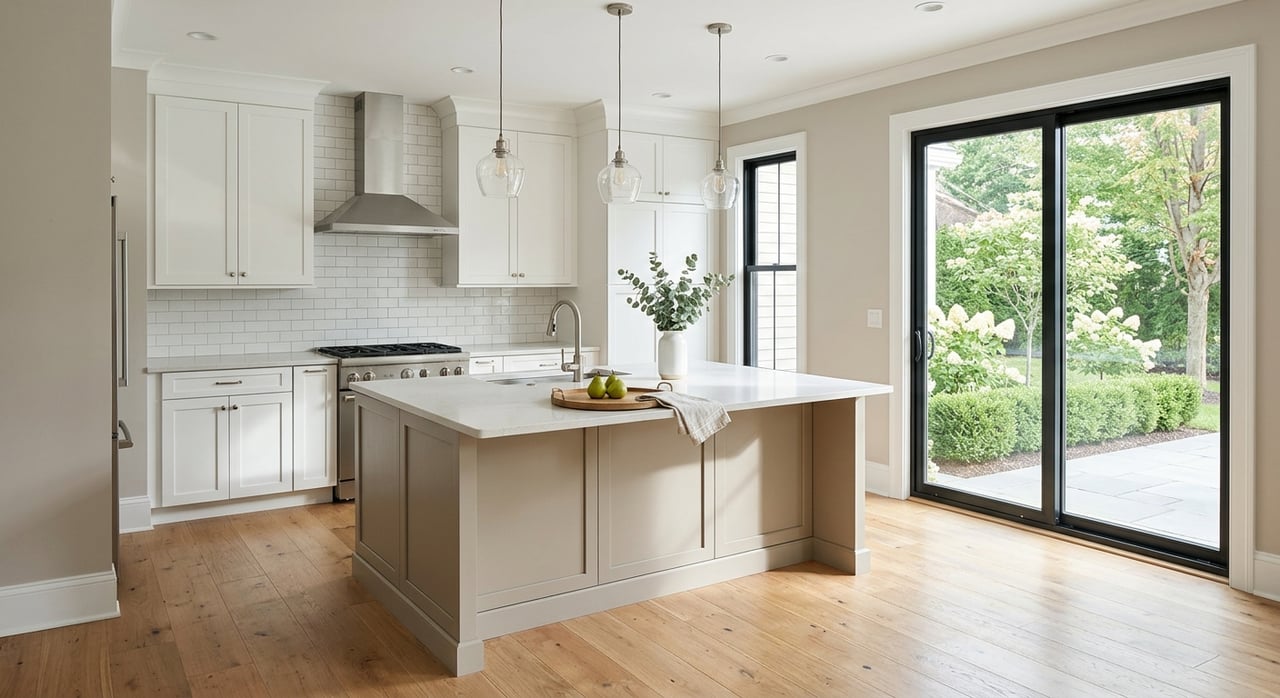
How To Prepare And Price Your Greensburg Home To Sell
July 2, 2026
July 2, 2026
Selling your home in Greensburg can feel simple on the surface: clean it up, put a price on it, and wait for offers. In reality, the homes that stand out usually follow a smarter plan. If you want to attract serious buyers and protect your bottom line, it helps to know what matters most before you list. Let’s dive in.
Before you paint a room or pick a list price, you need a clear view of the current market. In late spring and early summer 2026, Greensburg looks like a mid-$200,000s market, but the exact number changes depending on the data source and what that source measures.
Recent reports show a median sale price of about $221,368 for sold homes, a median listing price around $251,000 for active listings, and a typical home value near $246,215. Those numbers are useful, but they are not interchangeable. Sold prices, active asking prices, and home-value indexes each tell a different story.
The biggest takeaway is simple: price your home based on recent sold comparable homes and current competition, not the highest asking price you see online. Buyers in Greensburg still respond to homes that show well and are priced correctly, but they are also paying attention to condition and value.
You do not usually need a major remodel to make your home more marketable. The strongest pre-listing improvements tend to be the basics that help buyers see the home clearly and feel confident about its condition.
National staging data from 2025 shows that agents most often recommend decluttering, whole-home cleaning, and curb appeal improvements. That aligns well with what works in a market like Greensburg, where presentation matters but buyers may not reward expensive upgrades dollar for dollar.
Decluttering is one of the most important first steps. Remove extra furniture, clear crowded surfaces, and pack away items you do not use daily.
This helps rooms feel larger and easier to walk through. It also makes listing photos look cleaner, which matters because many buyers decide whether to schedule a showing based on what they see online.
A clean home sends a strong message that the property has been cared for. Focus on floors, baseboards, kitchens, bathrooms, windows, and light fixtures.
If a buyer notices grime or odors right away, that can shape their opinion before they ever look at the layout or finishes. A deep clean is often one of the lowest-cost ways to make a better impression.
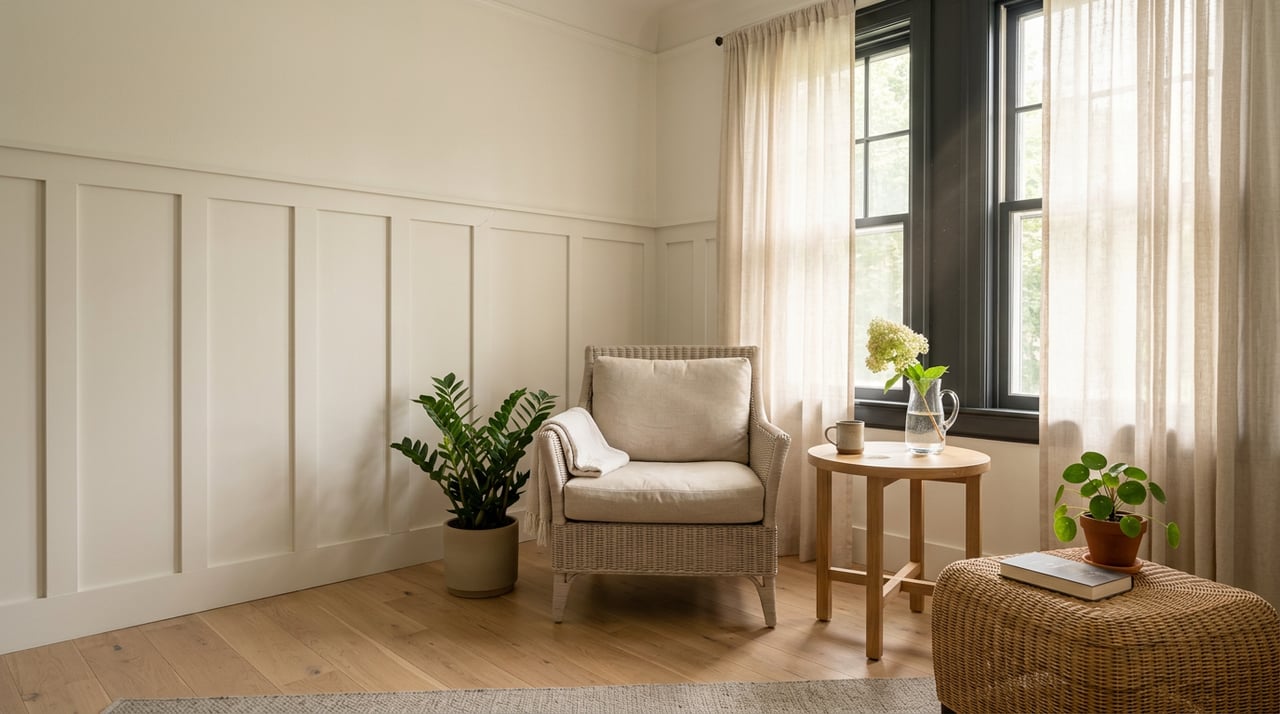
Buyers need room to picture themselves in the home. That is easier when personal photos, highly specific decor, and overly bold styling are toned down.
Depersonalizing does not mean making your home feel cold. It means creating a calm, neutral setting that helps buyers focus on the space itself.
Small visible problems can make buyers wonder about bigger hidden ones. Touch up chipped paint, tighten loose hardware, replace burned-out bulbs, and address minor repair items that are easy to notice during showings.
This does not mean you need to renovate the whole house. In most cases, visible maintenance and cosmetic touch-ups offer a better return than large pre-sale projects.
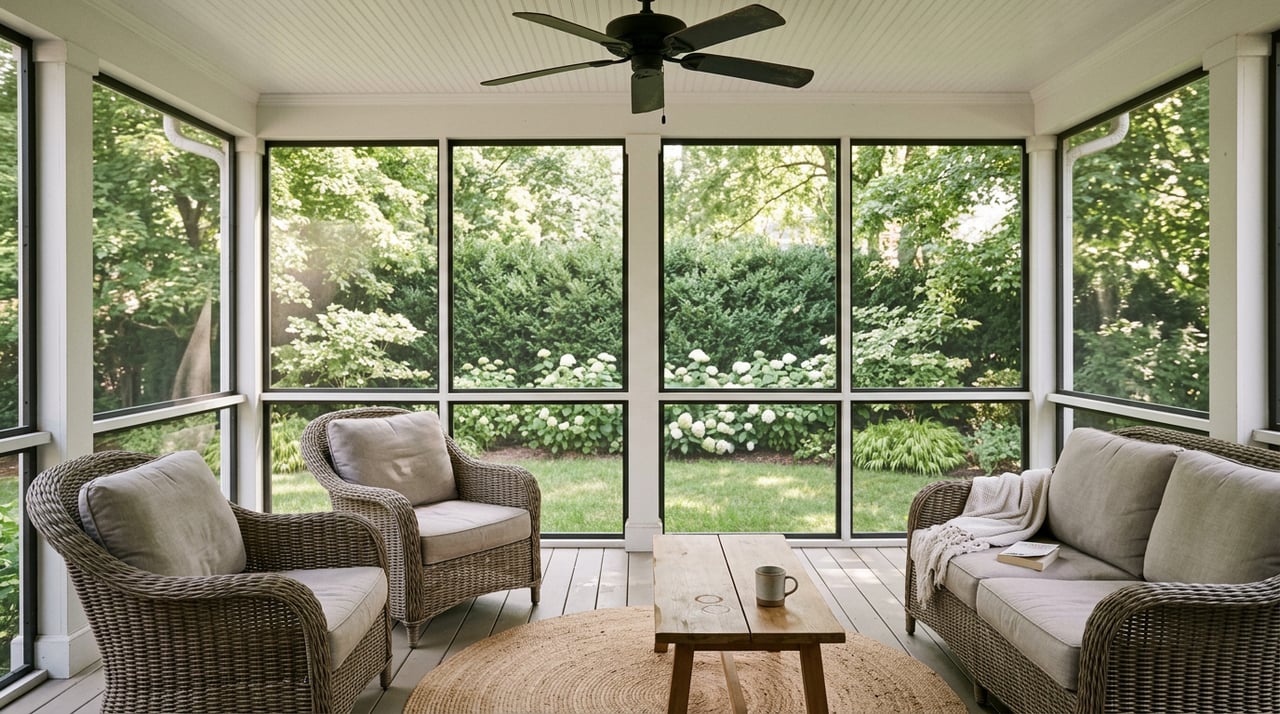
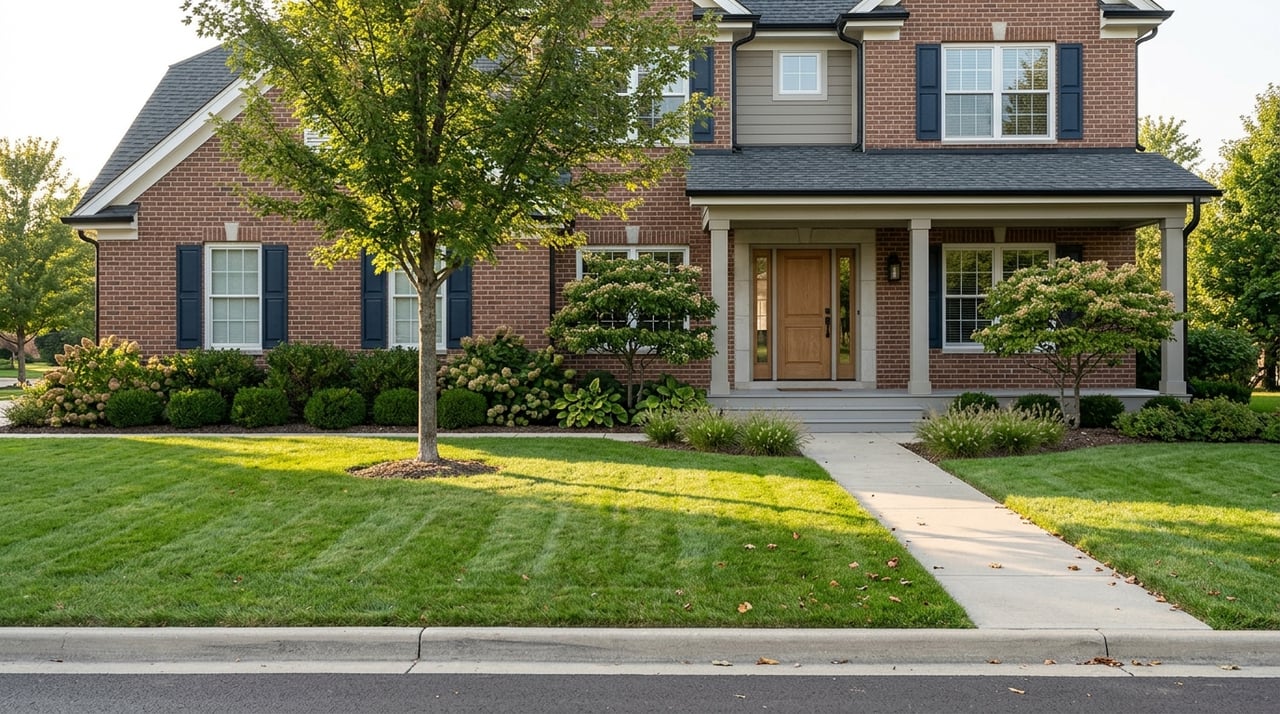
Your exterior sets the tone before a buyer ever steps inside. Basic lawn care, trimmed landscaping, swept walkways, and a tidy front entry can make a meaningful difference.
Curb appeal matters because it shapes the first impression and influences whether buyers feel excited when they arrive. In a market with active competition, that early impression counts.
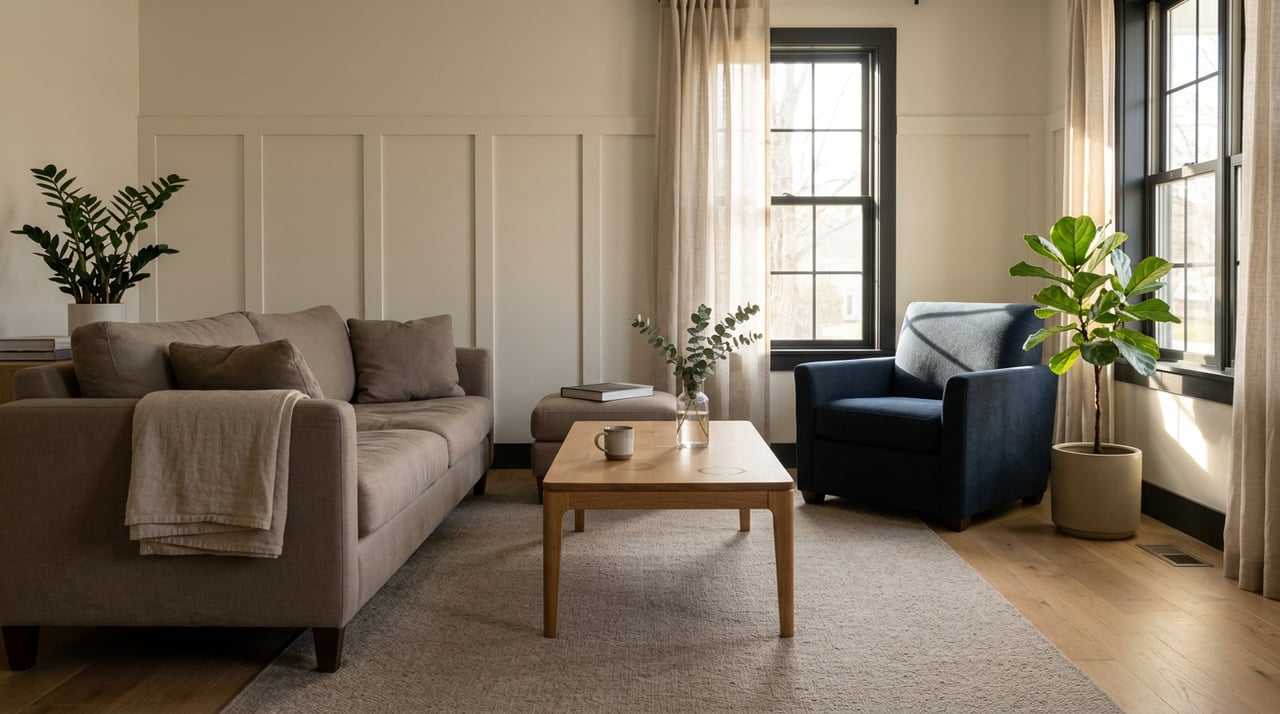
If you are deciding where to focus your effort, prioritize the spaces buyers tend to notice first. Staging data shows the living room, primary bedroom, and kitchen are the top rooms to address.
You do not need elaborate furniture or a magazine-style redesign. The goal is to make each room feel open, functional, and inviting.
Keep traffic flow easy and furniture scaled to the space. Remove anything that makes the room feel tight or overly busy.
A bright, balanced living room helps buyers imagine everyday life in the home. It often sets the tone for the rest of the showing.
Make the room feel restful and spacious. Use simple bedding, limit extra decor, and clear off dressers and nightstands.
Buyers tend to respond well to bedrooms that feel peaceful and well maintained. That can help the whole home feel more move-in ready.
Clear counters, reduce small appliances, and make sure the space feels clean and functional. Even if your kitchen is not newly updated, a tidy and well-lit presentation can go a long way.
Because kitchens are high-interest spaces, small details stand out here. Clean grout, polished fixtures, and uncluttered surfaces can improve the overall impression quickly.
Once your home is prepared, presentation online becomes critical. Recent buyer feedback shows that photos matter most, followed by physical staging, videos, and virtual tours.
That means your hard work inside the home needs to carry through to the marketing. If your home looks bright, clean, and well arranged in photos, you are more likely to attract buyers to the showing stage.
Pricing is one of the most important decisions you will make. A home that starts too high can lose momentum, sit longer, and invite lower offers later.
Current Greensburg data supports a careful approach. Recent numbers show homes selling about 2% below list on average, with one source reporting 55 median days on market and another showing 31 days. Westmoreland County data also shows a median sale-to-list ratio of 0.984.
Those figures suggest that buyers are still active, but they are not ignoring overpricing. A market-aligned list price can help create early interest and stronger negotiating leverage.
The best starting point is recent comparable sales. Look for homes with similar size, style, condition, location, and features.
Active listings matter too, because they represent your current competition. But sold homes show what buyers have actually agreed to pay.
Two similar homes can perform very differently based on presentation and updates. A well-prepared home may justify stronger pricing than a similar property with visible wear.
That said, buyers still compare value across the market. Pricing should reflect both what your home offers and how it stacks up against nearby options.
Countywide inventory recently included 917 active listings and 355 new listings. That means buyers have options, and your home needs to compete on both condition and price.
If you price above the market without clear support, buyers may skip your listing in favor of homes that feel like a better value. Strong pricing at launch is often more effective than chasing the market with later reductions.
When setting your pricing strategy, it helps to think beyond your asking price alone. Seller costs can affect your net proceeds, so they should be part of the conversation from the start.
For Greensburg City properties, Westmoreland County’s transfer tax schedule shows a total transfer tax of 2.5%. That includes 1% state tax, 1% city tax, and 0.5% Greensburg-Salem School District tax.
Knowing this early can help you make clearer decisions about pricing, expected proceeds, and how much room you have during negotiations.
Many sellers do not begin preparing until they are almost ready to list. In practice, that can create stress and rushed decisions.
Seller research from 2025 found that the typical seller thinks about selling for 3 to less than 4 months before listing. That is a useful planning window if you want time to declutter, make repairs, stage thoughtfully, and choose the right launch timing.
National 2026 timing research points to spring as a strong selling window, with the week of April 12 through 18 showing higher views and faster sales than a typical week. Another 2026 analysis found that homes listed in the last two weeks of May sold for 1.7% more nationwide, and Thursday has historically been the best day to list.
For a Greensburg seller, the practical lesson is not to rush just to hit a date. It is better to start preparing months in advance so your home is ready when the timing and local market conditions line up.
Preparing your home is not just about cleaning and pricing. You also need to be ready for the paperwork side of the sale.
Pennsylvania law requires sellers of residential real estate to disclose known material defects on the state property disclosure statement. A signed and dated copy must be delivered before the agreement of transfer is signed.
The disclosure form covers items such as structural issues, remodeling, water and sewage systems, plumbing, heating and air conditioning, electrical systems, hazardous substances, and legal or title matters. If your home was built before 1978, federal lead-based paint disclosure rules also apply.
Being organized here helps reduce delays and supports a smoother transaction once offers begin coming in.
If you want a practical roadmap, focus on this order:
This approach keeps your energy focused on the steps most likely to improve presentation, pricing accuracy, and buyer response.
If you are thinking about selling in Greensburg, the goal is not just to get your home on the market. It is to launch with a clear strategy, strong presentation, and a price that makes sense for today’s buyers. When you prepare well and price with discipline, you give yourself a better chance at a smoother sale and a stronger result.
If you want calm, local guidance on how to prepare, price, and position your home for the Greensburg market, connect with Nikaela Connelly.
Stay up to date on the latest real estate trends.
Experience dedication, expertise, and a strong commitment to your success.